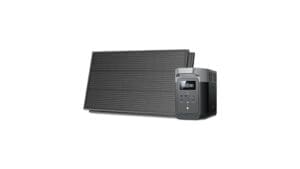
You’ll get a compact, weatherproof solar pack with an integrated 2.31 Ah lithium battery and selectable 12V/9V/6V outputs, so you can power a single trail camera or light feeder without extra batteries. The monocrystalline panel trickle-charges in direct sun and tops the pack after several sunny days, but runtime’s limited under frequent triggers. Construction’s rugged for seasonal use, though watch connectors and winter sun angles. Keep going to see setup tips, compatibility notes, and practical trade-offs.
Some Key Takeaways
- Integrated monocrystalline panel with 2.31 Ah lithium battery provides trickle charging and selectable 12V/9V/6V outputs for trail cameras and feeders.
- Compact, weather-resistant aluminum and tempered glass construction suits seasonal outdoor use but needs optimal sun angle for best charging.
- Best for single-camera or modest duty cycles; battery capacity limits runtime under frequent triggers or multi-device setups.
- Simple installation with pole/tree/rail mounts reduces theft risk, though carry spare adapters and sealant for connector and junction protection.
- Not a substitute for larger portable power stations; ideal as a low-maintenance backup or supplemental power solution.
Quick Verdict : Is the SPYPOINT SPLB-10 Worth Buying?
Cut to the chase: the SPYPOINT SPLB-10 plugs reliable solar charging and a built-in 2.31 Ah lithium battery into a compact, weather-ready package, making it a solid choice if you need continuous power for trail cameras, feeders, or similar devices. You’ll appreciate the simplified setup and durable materials that reduce maintenance. Performance suits seasonal deployment; factor seasonal discounts when buying to lower upfront cost. For group-minded users, it’s dependable in shared projects and patrols. Consider long term resale—integrated design keeps value if well-maintained but limits component swaps. Overall, it’s pragmatic, efficient, and community-friendly. It’s also a useful accessory for people who rely on portable power when using solar generators and other off-grid gear.
What’s in the Box and Key Specs (Battery, Voltages, Dimensions)
When you open the box you’ll find a single SPYPOINT SPLB-10 unit—an integrated solar panel and 2.31 Ah lithium-ion battery packaged with no extra cables or accessories—so setup is minimal and clutter-free. The packaging contents list just the SPLB-10; weight is 2.27 lb and dimensions are 8.86 x 2.68 x 8.58 in. You get onboard lithium-ion storage (2.31 Ah) and selectable power outputs at 12V, 9V, and 6V for broad camera and feeder compatibility. Construction uses aluminum housing with tempered glass and monocrystalline cells, giving a compact, durable, user-friendly power solution. This makes the SPLB-10 a convenient option for users seeking portable solar gear for portable power and backup generator applications.
Real-World Performance: Charging, Runtime, and Weather Durability
Although the SPLB-10’s integrated 2.31 Ah battery and monocrystalline panel look compact on paper, you’ll judge its usefulness by charge rates, runtime under load, and how it holds up in poor weather. In direct sun you’ll see respectable sunlight efficiency: trickle charging sustains modest camera duty cycles and tops the pack after several sunny days. Under frequent trigger events runtime is limited by the 2.31 Ah cell, so plan expectations accordingly. The aluminum housing and tempered glass deliver solid temperature resilience and water resistance in rain and light snow. You’ll appreciate predictable performance and straightforward maintenance in real-world use. This makes it a practical choice for users needing reliable power for portable power and backup generator setups.
Compatibility and Setup: Connecting to Trail Cameras, Feeders, and Common Issues
Because the SPLB-10 combines a monocrystalline panel with a built-in 2.31 Ah lithium pack and multiple voltage outputs, you’ll find hookup to most trail cameras and feeders straightforward but worth verifying against your device’s voltage and connector type. You’ll check 12V, 9V, 6V compatibility and confirm polarity and barrel or proprietary connector types before deployment. Mounting options include pole, tree, or rail fixtures; choose secure, angled placement for optimal sun exposure. Common issues are loose connectors, insufficient sun at winter angles, and water intrusion at cable junctions. You’ll carry spare adapters and sealant to minimize downtime. For broader backup planning, consider how this setup compares to portable power stations for extended outages and larger power needs.
Pros, Cons, and Who Should Buy the SPLB-10
If you need a compact, no-fuss solar solution that powers trail cameras and small devices reliably, the SPLB-10 delivers a tidy combination of monocrystalline solar charging and a 2.31 Ah internal lithium pack with selectable 12V/9V/6V outputs. You’ll like straightforward mounting options and the integrated package that cuts wiring and theft risk. Pros: compact, solid materials, multi-voltage outputs, easy install. Cons: modest battery lifespan for power-hungry setups, limited panel area for low-sun sites, not ideal for multiple devices. Buy it if you want reliable single-camera power, simple deployment, and a community of users valuing practical, low-maintenance gear. It’s particularly well-suited for RVers and portable-power users looking for compact solar gear that complements their portable power setups.
Some Questions Answered
Does the SPLB-10 Include Mounting Hardware for Poles or Trees?
No, it doesn’t include pole brackets or strap adapters in the package. You’ll get the integrated solar panel and internal 2.31 Ah lithium battery only, so you’ll need to source mounting hardware separately. You can choose compatible pole brackets or universal strap adapters to secure it to trees or posts. That keeps installation flexible; pick sturdy, weatherproof mounts that match the unit’s aluminum housing and dimensions for a reliable, shared setup.
Can the Internal Battery Be Replaced by the User?
No — you can’t easily perform battery replacement; the unit isn’t designed for user serviceability. The integrated lithium-ion cell is sealed within the aluminum housing and tempered glass assembly, so opening it voids warranty and risks damage. If the battery degrades, contact manufacturer support or seek authorized service. That said, you’ll belong to a community of users who share repair tips and authorized service options through forums and vendor support channels.
Is the Panel Theft-Resistant or Lockable?
No, it isn’t inherently theft-proof, but you can enhance tamper deterrence. You’ll use external security brackets or aftermarket locks to secure the unit to a post or tree. The aluminum housing and tempered glass resist casual tampering, yet determined thieves can still remove it without a lock. You’ll want to mount with a bracket, thread-locking hardware, and consider cable locks or alarmed enclosures for community-grade security.
Does It Support Trickle Charging for Lithium Trail Camera Batteries?
Yes — it supports trickle charging for lithium trail camera batteries. You’ll get solar charging that feeds the integrated lithium-ion pack and maintains voltage through low-current float behavior, compatible with common battery chemistry needs. You’ll want to verify your camera’s charge circuit and output voltage (6V/9V/12V options) to guarantee safe trickle rates. You’ll feel confident joining others who prioritize reliable, chemistry-compatible long-term field power.
Are Firmware Updates or Smart Features Available for the Unit?
No — there’s no firmware availability or smart connectivity built into the unit. You’ll get a straightforward solar panel with an internal lithium battery and fixed voltage outputs; it doesn’t support over‑the‑air updates, app control, or network features. If you want firmware‑managed charging or remote monitoring, you’ll need a separate smart controller or camera with its own connectivity. You’ll still have reliable, low‑maintenance power that integrates simply with your gear.