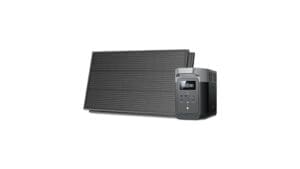
You’ll get a lightweight, foldable 60W panel that can hit ~60W in perfect midday sun but typically produces 30–45W in real use, and output drops with clouds, angle, or heat. It folds to briefcase size, weighs about 4.4 lb, and offers USB‑C, USB‑A, and a 12V DC port (5A max). The surface is IP67 but the junction box isn’t waterproof, so plan accessories and care. Keep going to see setup and compatibility tips.
Some Key Takeaways
- Peak ideal output ~60W (~18V), but typical clear-day output is 30–45W depending on conditions.
- Lightweight (4.4 lb) and folds to briefcase size (9.76 x 13.97 x 1 in) for easy transport.
- Dual kickstands and carabiner/harness options enable stable ground, tree, pole, or backpack mounting.
- Outputs: USB-C (higher current/PD), USB-A for accessories, and 12V DC (5A max); verify device voltage limits.
- Durable IP67 cells but vulnerable junction box; avoid prolonged exposure, overheating, and keep connections clean.
Real-World Performance: How Much Power Can You Expect From the 60W Foldable Panel?
When you put the 60W foldable panel in real conditions, expect peak output only under ideal sun and angle—roughly 60 watts at about 18 volts in bright midday sun; in practice you’ll commonly see 30–45W on clear days and much less in overcast or angled light. You’ll learn sunlight variability quickly: clouds, time of day, and shading cut power. Focus on angle optimization with the kickstand and positioning to boost real world output. Note temperature effects too—hot conditions lower efficiency of monocrystalline cells. You’ll get reliable, predictable charging if you monitor conditions and adjust placement together. For portable setups and backup situations, consider pairing the panel with portable solar generator equipment to maximize usability and storage.
Portability and Setup: Folded Size, Weight, Kickstand Use, and Mounting Options
Because it folds down to briefcase size and weighs just 4.4 lb, you can carry this 60W panel comfortably in a backpack or toss it in a car without strain. The folded footprint (9.76 x 13.97 x 1 in) is compact, slipping into gear bags and claiming minimal space. Setup is quick: deploy the dual kickstands to angle panels toward sun for stable, hands-free charging on flat ground. You’ll appreciate included carabiners and simple harness options for tree, pole, or backpack mounting. Overall, portability and mounting balance convenience and reliability for group outings and solo trips. Many users choose these panels because they work well with portable power systems such as backup generators and power stations.
Outputs and Device Compatibility: USB-C, USB-A, DC Port Limits and What You Can Actually Charge
Although compact, this 60W panel gives you practical charging options: a USB-C, a USB-A, and a DC output (5A max) that let you power phones, tablets, cameras, power banks, speakers, and small power stations within the panel’s voltage/current limits. You’ll want to check device voltage limits—panel max 18V—so you don’t overload delicate gear or expect laptop-level output. Port prioritization matters: USB-C will typically deliver higher current for modern phones and PD-capable devices, while USB-A suits smaller accessories. Use the DC port for 12V devices or to feed a small generator input, but respect amperage caps for reliable charging. This panel is ideal for users of portable or backup generators who need flexible portable solar charging options.
Durability and Weather Resistance: IP67 Panel Surface, Junction Box Caveats, and Cleaning Tips
If you plan to use this panel outdoors a lot, note that the monocrystalline surfaces are rated IP67 and will resist dust and brief immersion, but the junction box isn’t waterproof—so keep seams and connectors away from prolonged exposure. You’ll appreciate the robust build for panel longevity, yet you should park the junction box under cover during storms. Manage sun exposure to avoid overheating and microcracks over years. Wipe surfaces with a soft cloth; set a sensible cleaning frequency based on use and environment. Inspect connections regularly to prevent connector corrosion, and store the folded unit dry to maintain performance and community trust. For backup power planning, consider matching the panel output to your portable power station’s capacity and input specifications.
Who Should Buy It and Practical Buying Tips: Ideal Use Cases, Limitations, and Accessory Recommendations
Think of this 60W foldable solar panel as a compact, no-frills power source for solo campers, weekend hikers, and anyone who needs to top up phones, tablets, cameras, or small power stations on the go. You’ll buy it if you value light weight, easy setup, and decent 23% efficiency for essentials. It’s not for heavy off-grid living—junction box limits and port specs cap continuous loads. Bring recommended accessories: a small power station, quality USB-C cable, adapter kit, and spare carabiners. Practice solar etiquette—avoid shading communal spots—and check warranty details before extended trips. Consider pairing it with an appropriately sized RV solar kit when you need more sustained or higher-capacity portable power.
Some Questions Answered
Does It Include a Built-In Battery for Overnight Charging?
No, it doesn’t have an internal battery, so it won’t provide overnight charging on its own. You’re relying on direct sunlight or an external power bank with storage capacity to keep devices charged after dark. That means you can pair the panel with a small power station or battery pack for overnight use. If you want continuous power, choose a setup that matches your devices’ load and the battery’s actual storage capacity.
Can It Charge Multiple Devices at Full Power Simultaneously?
No — you can’t expect full power to each device simultaneously. The panel offers a combined 60W max, so power distribution limits how much each port supplies during simultaneous charging. You can charge multiple devices (phones, tablets, small gadgets) at once, but total output will be split and individual speeds will drop under heavy load. You’ll belong to a pragmatic group: plan device priorities or use a battery to guarantee consistent full-power charging.
What Warranty Length and Coverage Does the Manufacturer Provide?
The manufacturer warranty length varies by seller; you’ll usually find a limited manufacturer warranty (check Amazon listing) covering defects in materials and workmanship for a specified period. Coverage details typically exclude water damage to the non‑waterproof junction box, misuse, and normal wear. You’ll want to register the product, keep your receipt, and contact the seller/manufacturer for claims. This guarantees you’re supported if a covered defect appears.
Are Replacement Parts or Spare Cables Available Separately?
Yes — you can get replacement cables and spare connectors separately from the manufacturer or seller. Check their Amazon storefront or contact support to order Type-C/Lightning 2-in-1 cables, solar connectors, or carabiners as needed. You’ll want to confirm port ratings and compatibility before buying. If you reach out, they’ll guide you on warranty-covered parts versus paid replacements so you and other owners feel supported and ready for outdoor use.
Is It Safe to Leave Connected to a Power Station Unattended?
Yes — you can, but cautiously. You’ll want to follow fire safety best practices: place the panel on a stable, ventilated surface, keep the junction box dry, and avoid flammable materials. Use a power station with proper voltage monitoring and overcharge protection, and check connections and seams regularly. If you’re leaving it long-term, use a charge controller or compatible station that supports solar input shutoff and inspect the setup periodically.