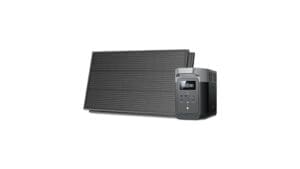
You’ll find the Westinghouse iGen160s is a lightweight, budget-friendly 155 Wh/100 W portable power station that’s great for short trips and emergency basics. It’ll charge phones many times, run a laptop for a few hours, and power lights or a small CPAP, but won’t handle heaters, microwaves, or heavy gear. The compact, quiet design and multiport layout suit campers and commuters, though the modified sine AC and limited capacity constrain versatility—keep going to see full runtimes and alternatives.
Some Key Takeaways
- 155 Wh capacity and 100 W continuous output suit phones, laptops, lights, and small CPAPs, but not heaters or microwaves.
- Includes two 120V AC (modified sine), USB-C, Quick Charge 3.0, two USB-A, and three 12V DC ports for versatile device charging.
- Lightweight (~3.8–5 lb) and compact (about 10 x 5.2 x 10.8 inches) for easy packing and short trips.
- Recharge via wall, car, or solar (13–25V/2A max); full recharge typically ~6 hours with included chargers.
- Good budget choice for emergency kits and light camping; consider higher-capacity pure-sine alternatives for power-hungry needs.
Quick Verdict : Who the iGen160s Is Best For
If you need a lightweight, quiet power source for short trips or emergency essentials, the iGen160s is a solid pick. You’ll appreciate its compact, maintenance-free design if you’re a budget camper or an urban commuter who wants reliable backup without noise or fumes. It’s strong enough for lights, phones, a laptop or small CPAP, but don’t expect to run heavy appliances. You’ll feel included in a practical community of sensible users who prioritize portability and simplicity. Critically, it’s best for predictable, low-demand outings and emergency kits rather than power-hungry adventures. For those exploring portable power options, consider how the iGen160s compares on backup capacity to other portable power stations.
Real-World Power and Runtime: What 155 Wh / 100 W Means in Practice
When you look past the specs, 155 Wh and a 100 W continuous limit translate to realistic, time-bound use: you can charge phones repeatedly and run small devices, but you’ll hit the ceiling quickly with anything power-hungry. You’ll see about 14 smartphone charges or a few hours of TV in real world testing, but heavy loads—space heaters, microwaves—are off-limits. Battery chemistry (lithium-ion) keeps weight down and cycling reasonable, yet capacity limits multi-device days. Use it for shared camping, emergency phone lifelines, or lighting; don’t expect overnight backups for larger home gear or prolonged power needs. Consider pairing it with high-capacity power banks for extended portability and backup coverage.
Ports, Charging Options, and How Long Each Recharge Takes
The iGen160s packs a useful, compact port array that lets you charge phones, run small appliances, and top up devices from multiple sources at once. You get two 120V AC outlets (modified sine), two USB-A, one USB-C, one Quick Charge 3.0, and three 12V DC ports — nine outputs total. Charge options include wall, car, and solar input (13–25V/2A max). Expect a full recharge in about six hours with included chargers; solar will vary by panel. Battery chemistry supports reasonable charge cycles, but 155 Wh limits heavy usage. It’s versatile but not for power-hungry gear. Many buyers of portable power units also shop for solar generators and related accessories.
Size, Weight, Durability, and Usability for Camping and Emergencies
Because it’s ultra-compact and light, you’ll find the iGen160s easy to pack and carry for most trips, tipping the scales at roughly 3.75–5 pounds and measuring about 10 x 5.2 x 10.8 inches. Its compact footprint fits small vehicle trunks and crowded gear piles, and the sturdy handle gives reliable carry comfort on short hikes or between campsites. The plastic casing feels solid but won’t take abuse like metal; don’t expect ruggedized weather resistance for heavy rain. For emergencies and casual outdoor use, it balances portability and practical durability, inviting you to rely on it without feeling overburdened. It also serves well as a portable power option for laptop chargers and backup power needs when camping or during outages.
Pros, Cons, Alternatives, and Final Buying Recommendation
If you want a lightweight, budget-friendly power station for short trips or light emergency use, the iGen160s delivers useful versatility without frills. You’ll appreciate portability, multiple ports, low noise levels, and a solid battery lifespan for occasional use. Cons: limited 155 Wh capacity, 100 W continuous output, and modified sine wave AC limit heavier gear. Alternatives: consider Bluetti or Jackery models for higher capacity and pure sine wave output if you need longer runtimes or sensitive electronics. Final recommendation: buy the iGen160s if you value community-style sharing, simple reliability, and low-cost backup for basic needs. It’s well suited for users who need basic portable power solutions for camping and small-device charging.
Some Questions Answered
Does the Unit Support Pass-Through Charging While Powering Devices?
Yes — it supports pass through capability: you can charge the unit while drawing power, enabling simultaneous charging of devices and the battery. You should be critical about load limits, though; the 100 W continuous output and 150 W peak constrain what you can run while charging. You’ll want to avoid heavy appliances to prevent overload and reduce battery wear. That said, it’s handy for communal outings and emergency shared use.
Is the Battery User-Replaceable or Upgradeable?
No, the battery isn’t user-replaceable, and there aren’t official upgrade options. You’ll need to contact Westinghouse for service or warranty support if the internal lithium-ion pack fails. That said, some users opt for third-party repairs at their own risk, but that voids warranty and raises safety concerns. You’ll want to weigh convenience, cost, and community advice before pursuing unofficial battery replacement or modification.
Can It Operate CPAP Machines With Heated Humidifiers?
Yes — you can run many CPAP devices, but check CPAP compatibility and humidifier draw first. The iGen160s supplies 100 W continuous (150 W peak) and can power select CPAPs about two nights without a heated humidifier. Heated humidifiers usually raise power needs and may exceed runtime or draw. You’ll want to confirm your machine’s wattage and humidifier draw, and consider conserving humidifier use or a larger battery for reliable, inclusive sleep support.
Is the Modified Sine Wave Problematic for Sensitive Electronics?
Yes — modified sine wave can cause issues for some sensitive devices. You’ll find waveform compatibility varies: basic chargers, lamps, and many small appliances run fine, but things like audio equipment, certain medical devices, precise motors, and some CPAP heated humidifiers may experience interference risks, noise, reduced efficiency, or overheating. You’ll want to test your specific gear, check manufacturer guidance, and use a pure sine inverter if you need guaranteed compatibility and peace of mind.
Are Replacement Chargers or Accessories Sold Separately?
Yes — replacement chargers and some accessories are sold separately. You’ll find replacement chargers, car chargers, and optional solar panels from Westinghouse and third parties; check accessory compatibility for DC voltage/current (13–25 V / 2 A max) and connector type. You’ll want genuine or verified compatibles to avoid damage and preserve warranty. If you’re unsure, reach out to the seller or Westinghouse support for precise part numbers and fitment guidance.